I cannot describe the level of depression I go through when I have to focus on the rest of my life and leave wildlife work behind, even if it is temporary. Not to sound too dramatic but being around animals is like needing water for me. I can go without it for only a small period of time before I start falling to pieces.
And yet it can be so hard to hold onto at the same time. Even after the public has started gaining interest in helping wildlife and sustaining the planet, working in conservation is, ironically, hardly sustainable.
Being such a broad field, there are numerous jobs that contribute to conservation, ranging from research to architecture. You can choose to be in any environment, the office, the field, or even a mix of both. You can travel the world or stay in your home town. You can work for a corporation, government, nonprofit, or start your own business. Theoretically, your world is your oyster. But nothing about it is easy.
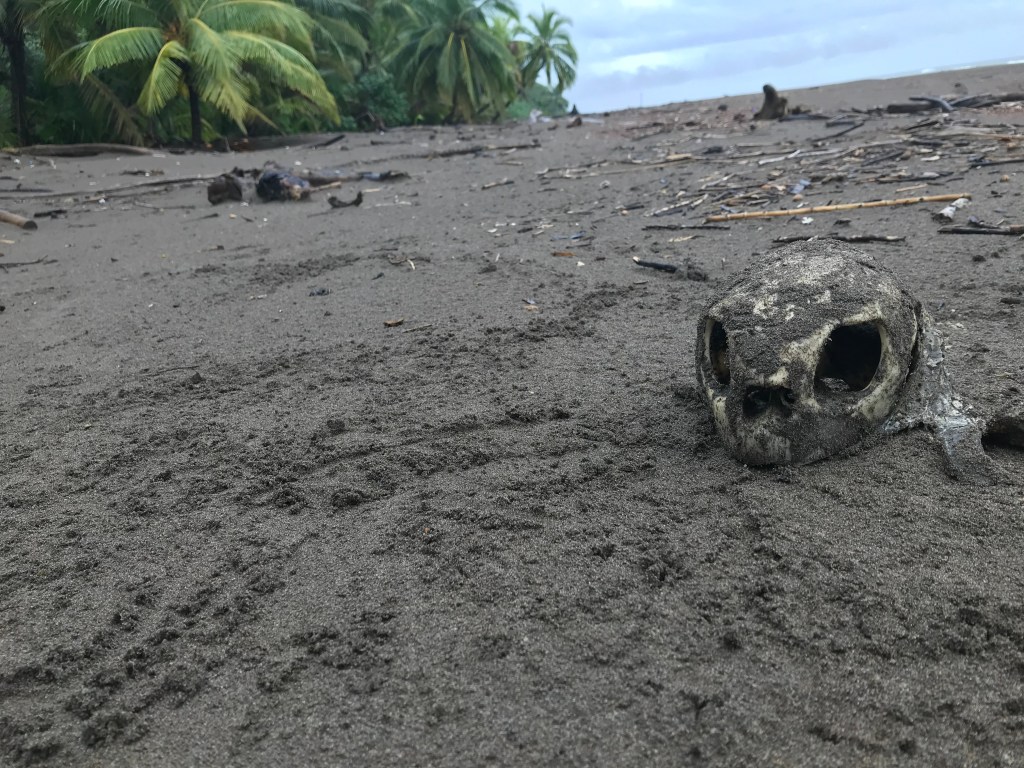
Aside from facing the daunting problems you seek to solve, you are generally isolated from much of the people around you. Having learned the many ins and outs of the natural world, you start to suffer from burnout from the constant barrage of bad news and looming threats around extinctions and climate change. You find yourself having to navigate complex moral problems all while trying to relate the issues to the public. You can often feel tied between the needs of the natural world and the needs of your own family. Additionally, save for a few very special jobs, it isn’t exactly a field in which you join to get rich. Many I have met in my own experiences in the field are struggling just to have a stable life.
People who work in the conservation and wildlife fields understand they have put themselves between a rock and a hard place. Sometimes, people in our lives like to remind us of it over and over again. It’s really difficult at times. Even now, as I sit here and write this, I’m struggling with where I can go and what I can do to live a happy life while making something of a difference.
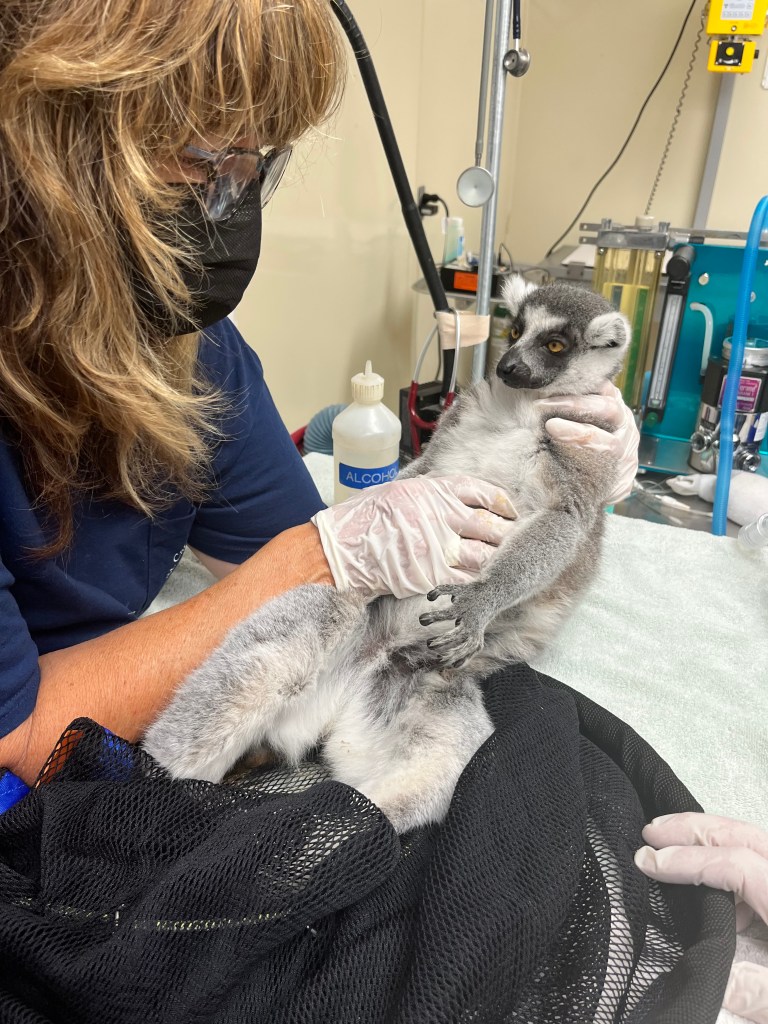
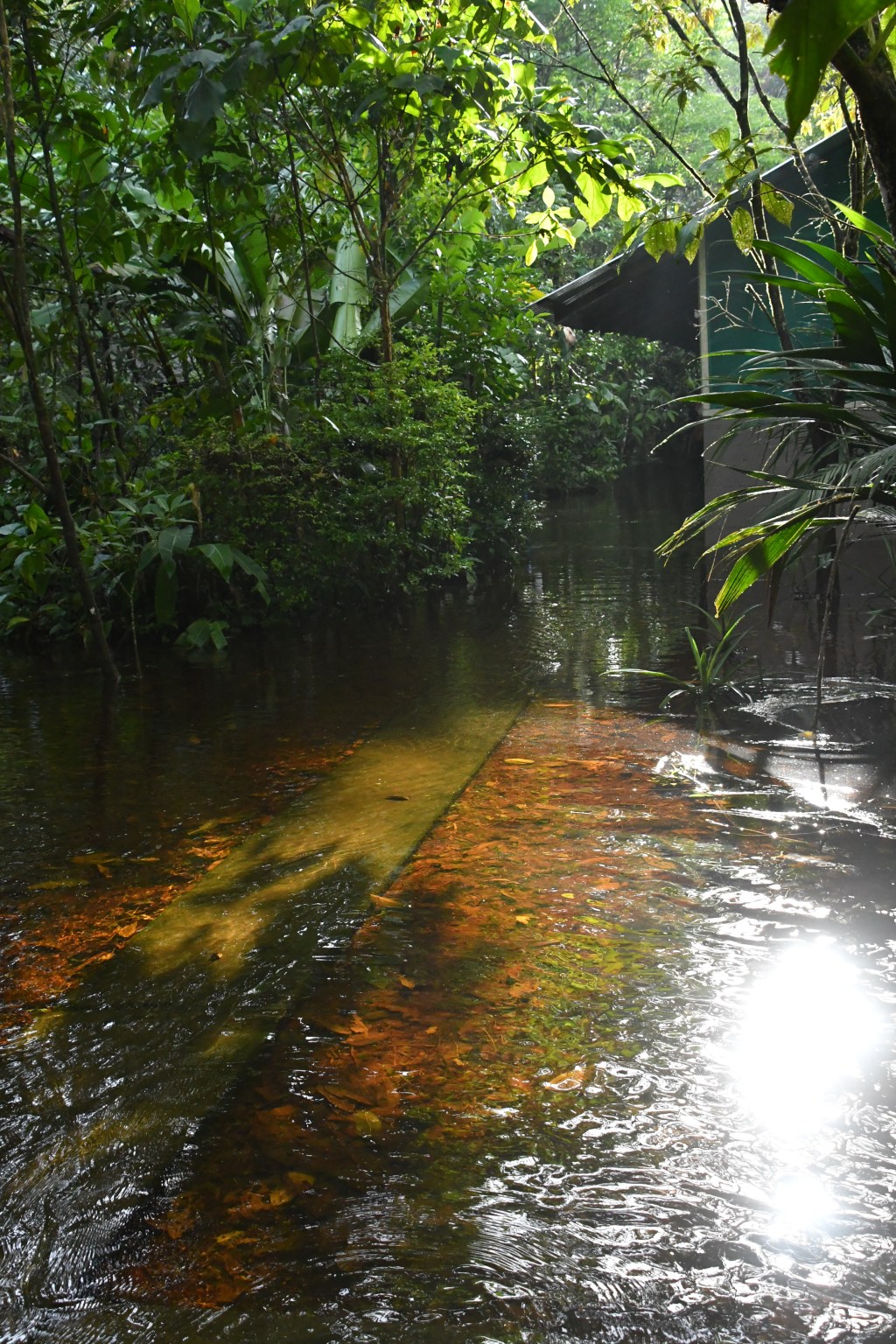
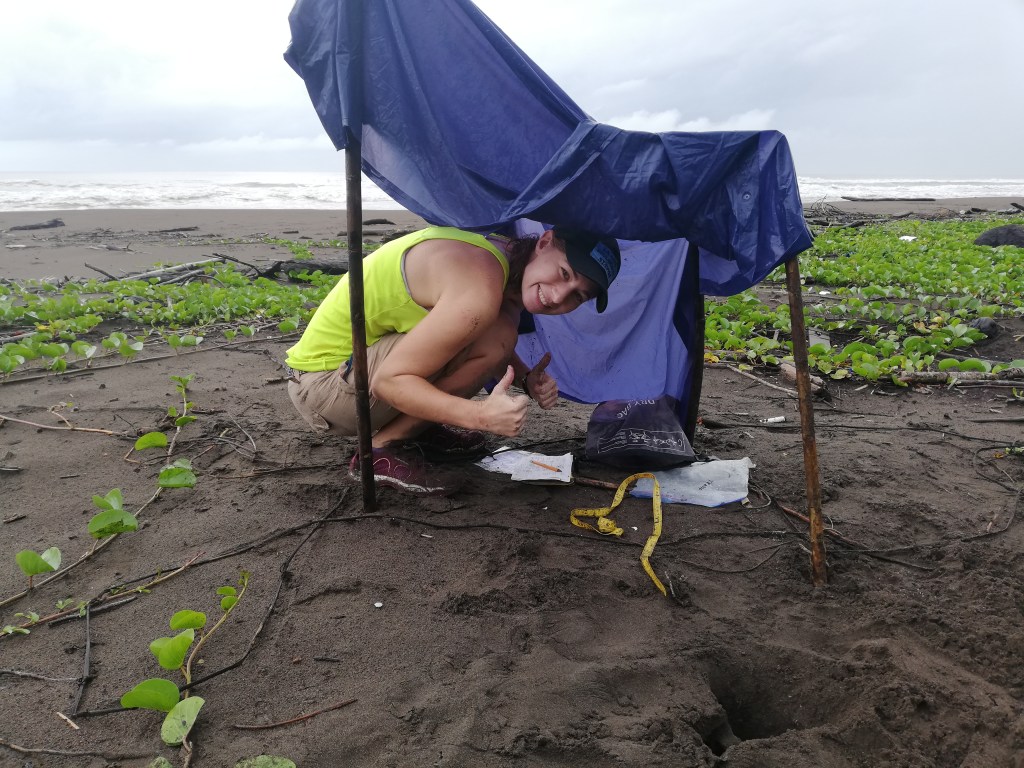
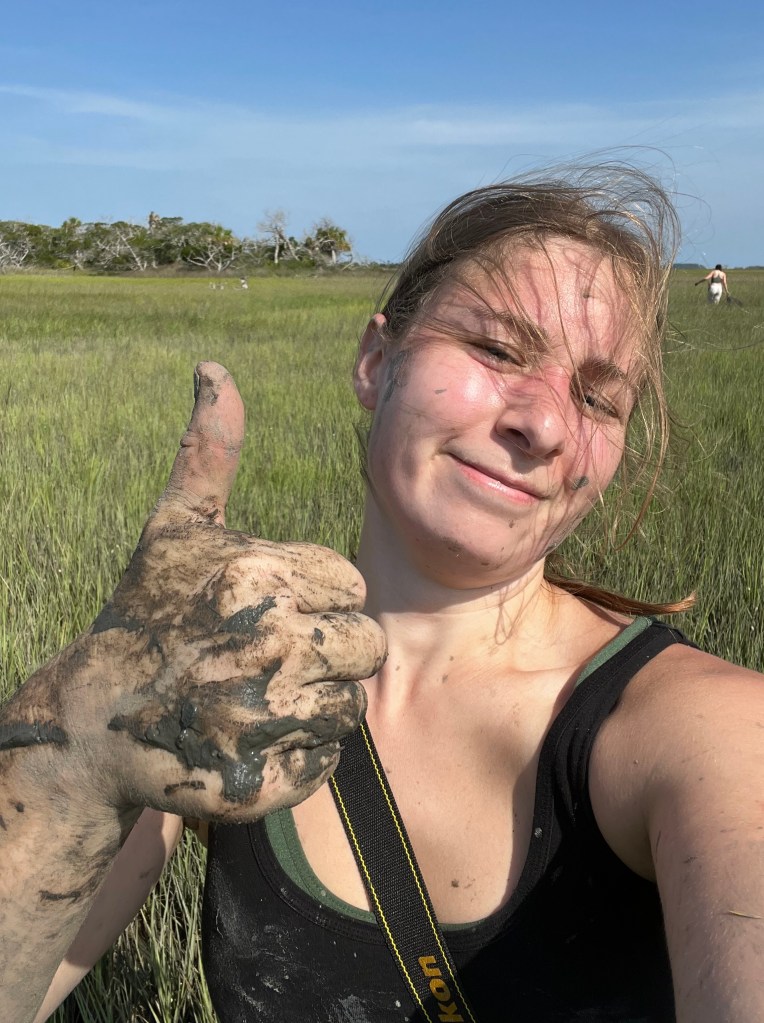
BUT, of all the people I met who are struggling and living these difficult lives, none have ever told me they would trade it for anything. The zookeeper barely getting paid at their nonprofit still obsessively talks about what enrichment they hope to give their tiger the next day, their tired eyes lighting up with excitement. The wildlife veterinarian, exhausted from operating on a black bear’s infected eye under the desert sun still stops to ask if any other wounded wildlife has been found in the area. The animal rescuer, shivering in the negative five degree weather at two in the morning, still waits patiently for the dog hiding under the abandoned home to trust him enough to come out. The researcher, applying aloe, anti-fungal cream, and sunscreen to her burnt skin all while swatting away giant mosquitos in eighty percent humidity, remains in place as they jot down the description of an unfamiliar sapling in the middle of a rainforest. Even the exhausted engineer, constantly being shouted at by an incompetent boss, still stays up late tweaking the designs of an energy-saving clean engine night after night.
For all that we sacrifice in this field, I’d like to think that our stubborn optimism makes it all worth while. For some reason, all of the seemingly insurmountable obstacles, poorly paid jobs, expensive equipment, and obstinate naysayers, although tiresome, aren’t able to cut deep enough to make us leave.
It’s what drives me crazy as I try to understand how to live a happy life. It almost seems that my passion for the natural world wants to keep me from it. Daily, I wade through the dark reality that is our natural world- how humans are greatly affecting global health, how species are dying out, and beautiful lands are being lost. It weighs me down and sometimes makes me feel hopeless. But, like with a drug, I have become addicted to the rush of catching the perfect shot of an animal through my camera lens, of somehow never knowing enough about different species, of knowing that I’m making an animal’s life better, of piecing together answers in my research papers.
Conservation and wildlife work isn’t for the faint of heart. It’s hard enough just to make a living, let alone make even a little bit of a difference, but you’ll find that every bit of it counts and you wouldn’t change it for the world.
 Wild Natura